
How to Manage Logistics Network Design and Optimization
AB
Logistics network design has become one of the most important strategic considerations for businesses that depend on warehousing, distribution, transportation, and inventory management. A well-designed logistics network can help a company reduce transportation expenses, improve delivery times, maintain appropriate inventory levels, and respond more effectively to changing customer demand.
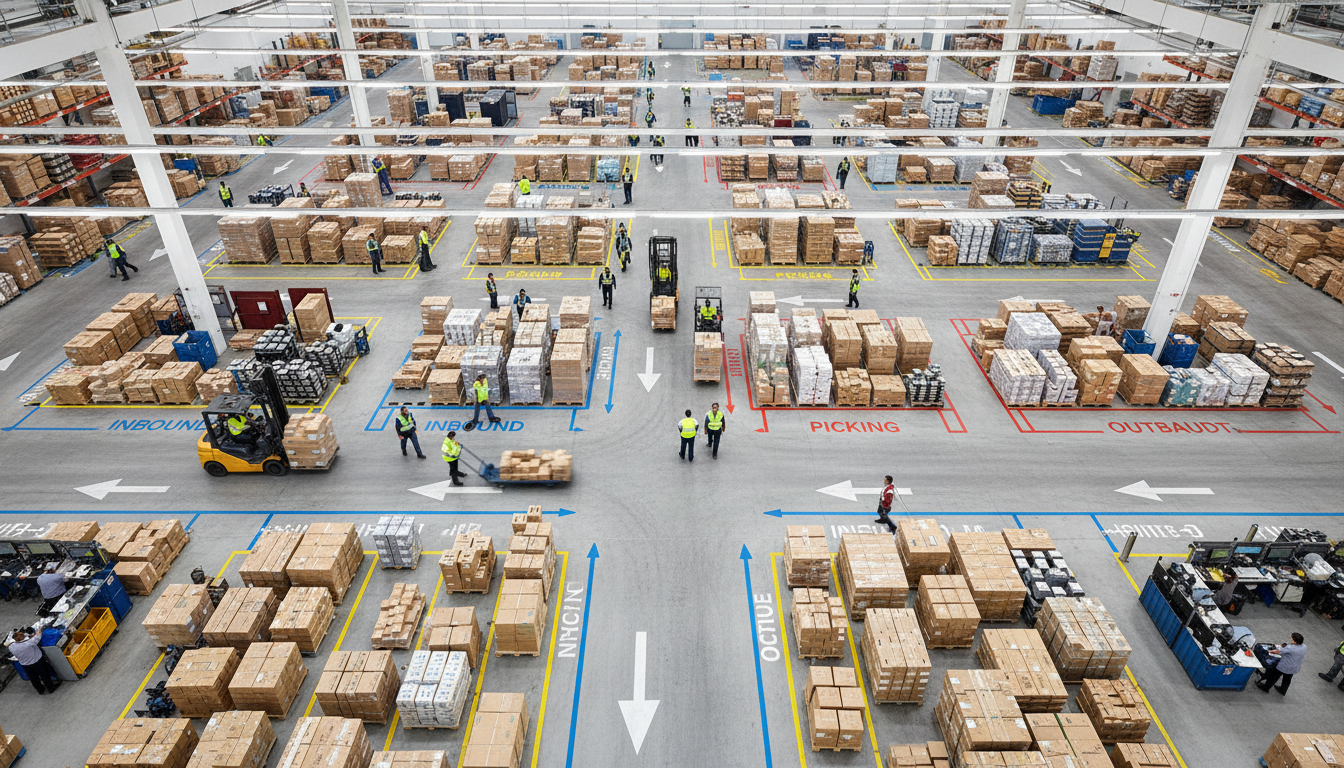
On the other hand, a poorly designed network can create unnecessary transportation miles, excess warehouse costs, inventory imbalances, delayed deliveries, and operational bottlenecks.
As the warehousing industry moves through 2026, logistics network design is becoming less about simply deciding where to place warehouses. Businesses increasingly need to understand how facilities, transportation routes, inventory, technology, suppliers, customers, and distribution partners work together as one connected network.
This is particularly important as customers continue to expect faster and more reliable deliveries while businesses face pressure to control operating costs. Warehouses are also becoming more technology-driven, with real-time inventory visibility, warehouse management systems, automation, predictive analytics, and transportation optimization playing larger roles in daily operations.
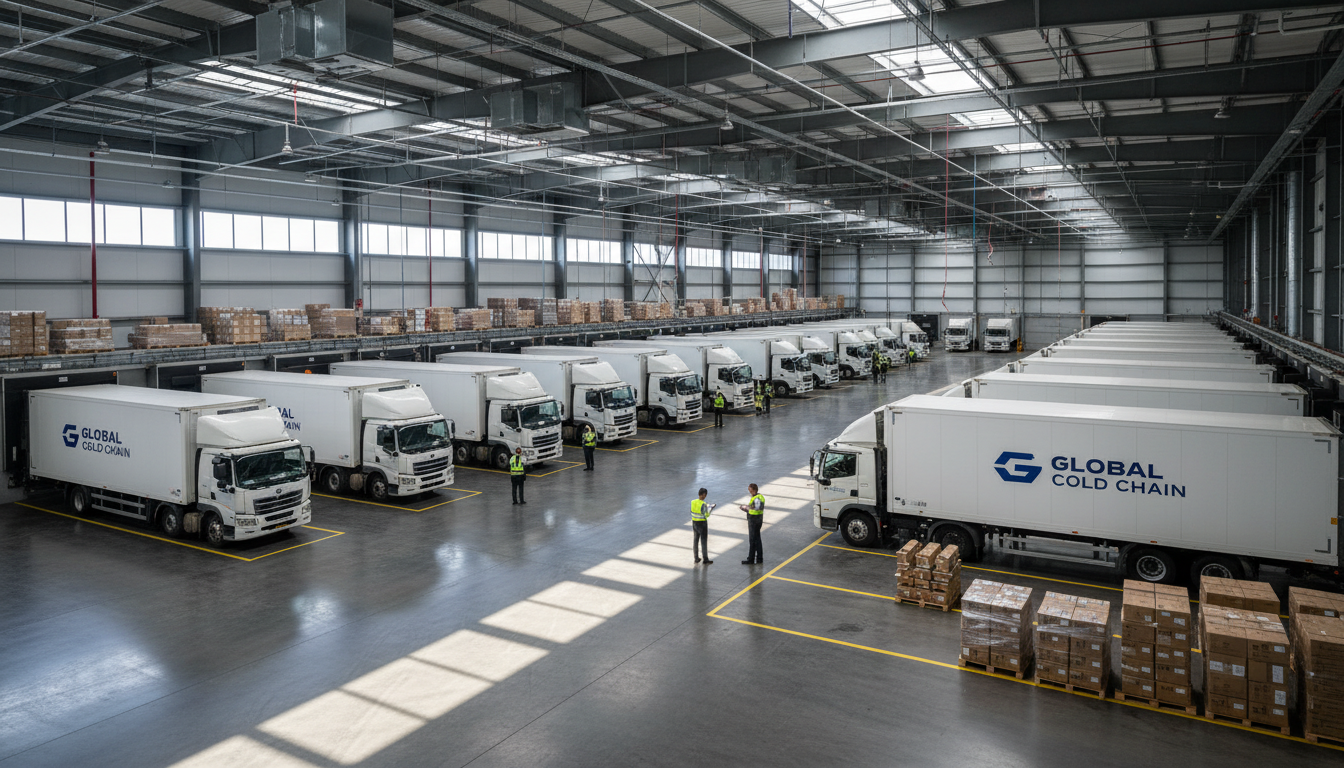
For warehouse operators and businesses managing their own distribution networks, logistics network optimization is therefore becoming a long-term business strategy rather than an occasional operational exercise.
What Is Logistics Network Design?
Logistics network design is the process of determining how goods should move through a company's supply chain from suppliers to warehouses, distribution centers, stores, businesses, or final customers. It involves decisions about the number and location of facilities, inventory placement, transportation methods, delivery routes, warehouse capacity, and relationships between different points in the network.
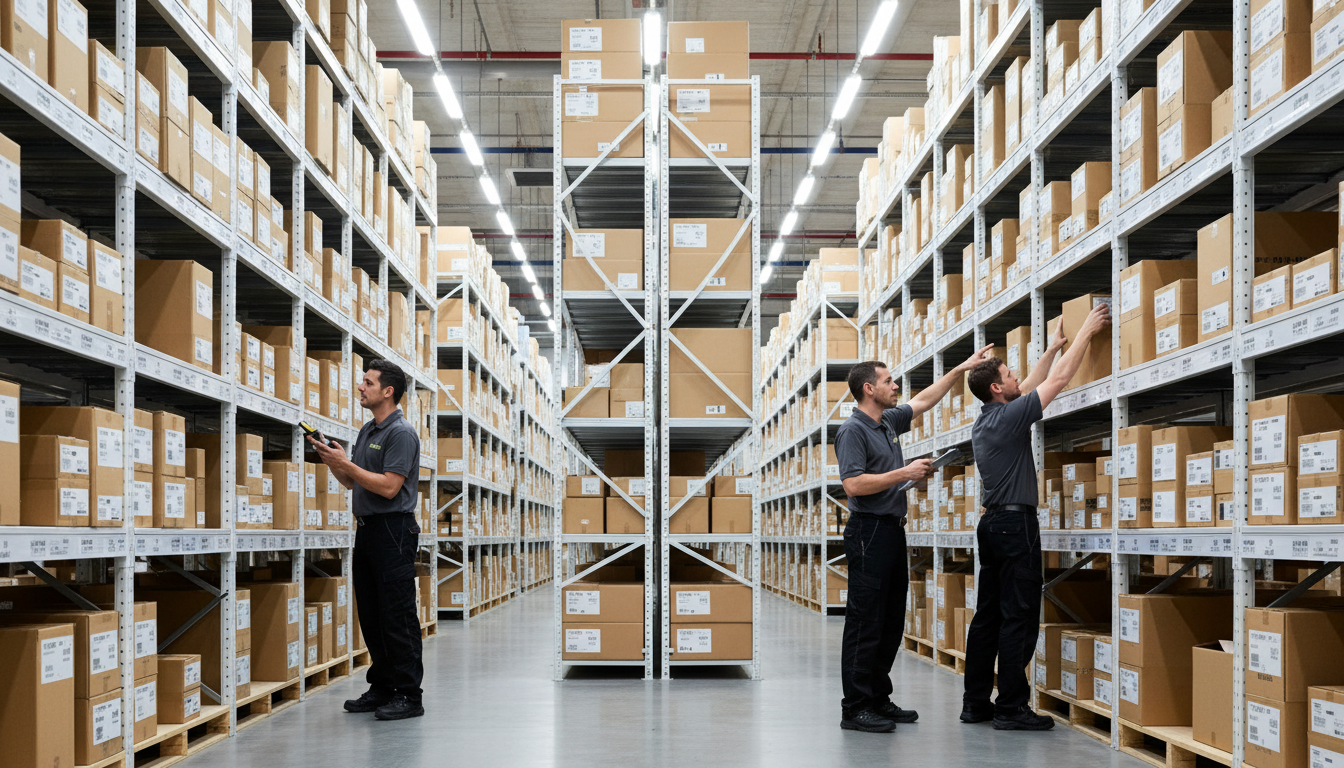
The goal is not simply to create the largest or fastest network. The goal is to create a network that provides the right balance between cost, service, capacity, flexibility, and risk.
For example, a business may currently operate one large warehouse serving customers across a wide geographic area. As sales increase, management may consider adding a second distribution center. However, adding another facility creates additional rent, labor, equipment, inventory, management, and technology expenses.
The decision should therefore be based on whether the additional facility will generate enough operational and customer service benefits to justify those costs.
This is where network design becomes valuable. Instead of making warehouse decisions based solely on intuition, businesses can evaluate different scenarios and determine which network structure makes the most financial and operational sense.
Why Logistics Network Optimization Matters in 2026
The warehousing environment in 2026 is increasingly influenced by customer expectations, transportation costs, labor challenges, technology adoption, and supply chain uncertainty. These factors make network optimization more important than ever.

Customers expect businesses to deliver products quickly, accurately, and consistently. At the same time, businesses cannot simply continue adding warehouses or transportation capacity to meet those expectations. Every additional facility and shipment adds costs that can reduce margins.
The challenge is finding the right balance.
A strategically designed logistics network can position inventory closer to major customer markets while avoiding unnecessary facilities. It can help consolidate shipments, reduce empty transportation miles, improve warehouse utilization, and establish more efficient relationships between suppliers and distribution centers.

For warehousing businesses, this can have a significant impact on competitiveness in 2026. Warehouse operators that can provide strategically located capacity, flexible fulfillment services, and technology-enabled visibility may become more valuable to companies looking to redesign their distribution networks.
Start With a Clear Understanding of Demand
Effective logistics network design begins with understanding where demand comes from and how that demand changes over time.
Historical sales data can provide an important starting point, but businesses should not rely exclusively on historical averages. Demand patterns can change because of seasonality, market expansion, new products, customer behavior, promotions, economic conditions, and changes in distribution channels.
A company should analyze where customers are located, how frequently they order, the typical size of shipments, the products they purchase, and the delivery speeds they expect. This information helps determine where inventory should be positioned.
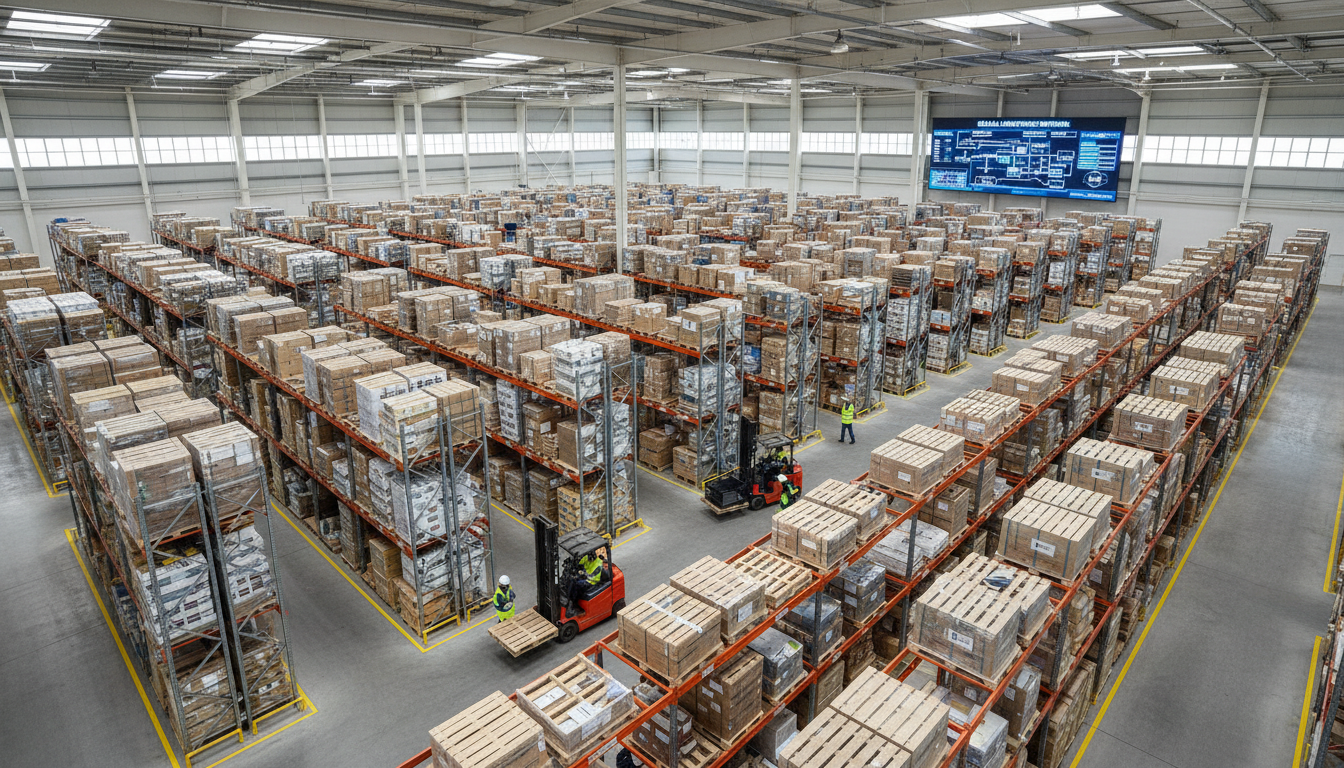
For example, if a large percentage of customers are concentrated in a particular region, keeping all inventory in a warehouse located in several states away may result in unnecessary transportation costs and longer delivery times. A regional warehouse or third-party logistics facility may improve service while reducing transportation requirements.
However, the opposite can also be true. If demand is highly unpredictable or geographically dispersed, adding multiple warehouses may increase inventory and operating costs without delivering enough benefits.
The right answer depends on the specific demand profile of the business.
Evaluate Warehouse Locations Strategically
Warehouse location is one of the most important decisions in logistics network design. A facility should not be selected simply because it has affordable rent or available space.
Businesses need to consider proximity to customers, suppliers, transportation infrastructure, labor availability, utility costs, taxes, real estate conditions, congestion, and future expansion opportunities.
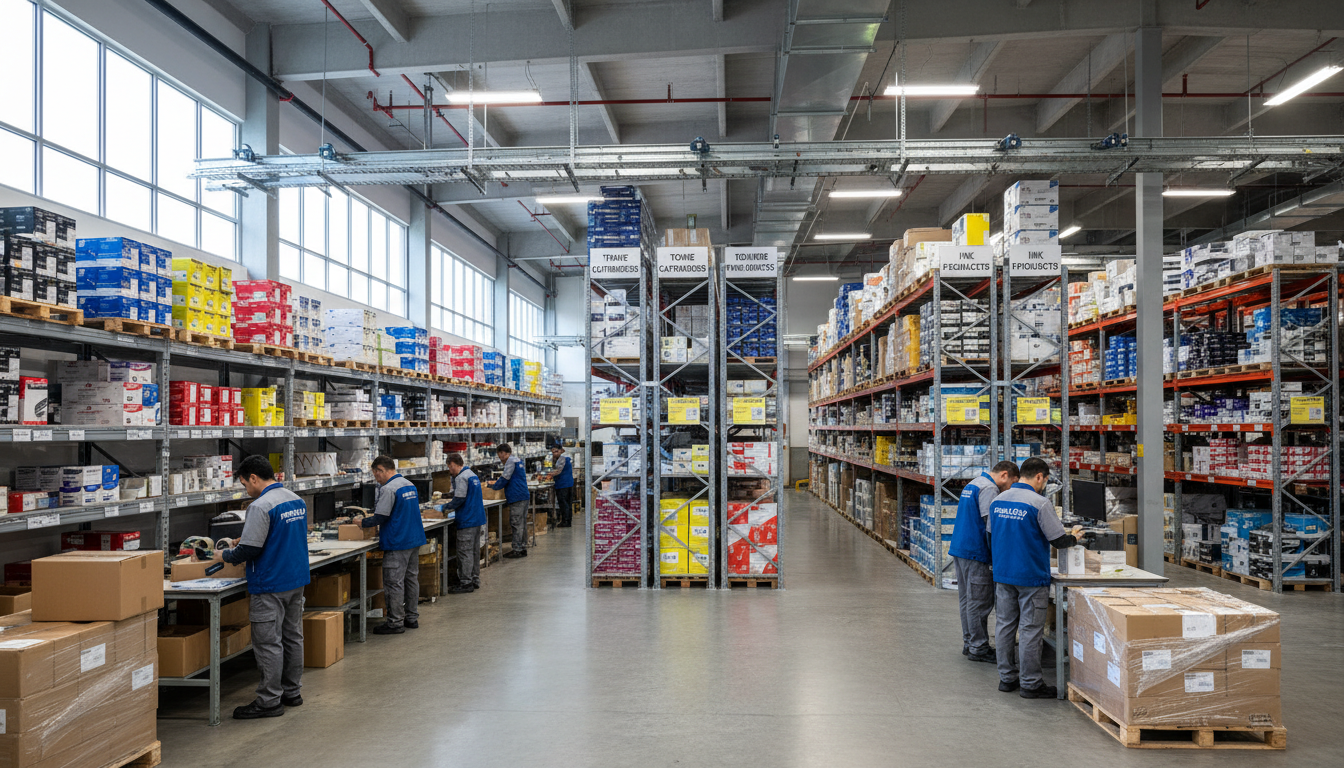
Access to highways, ports, rail facilities, airports, and major population centers can significantly influence transportation efficiency. A warehouse located near major transportation corridors may provide faster and more reliable access to multiple markets.
Labor availability is also becoming increasingly important. A facility may look attractive from a transportation perspective but become difficult to operate if the surrounding labor market cannot support warehouse staffing requirements.
Businesses should also consider the future. A warehouse location that works today may become inefficient as customer demand shifts, or the company expands into new markets. Network design should account for expected growth rather than focusing only on current conditions.
Understand the Total Cost of the Network
One of the biggest mistakes in logistics planning is evaluating individual costs instead of the total cost of the network.
A warehouse with low rent may appear attractive, but if it requires significantly more transportation expense, the overall network could become more expensive. Similarly, a centrally located warehouse may reduce transportation distances but carry higher real estate and labor costs.
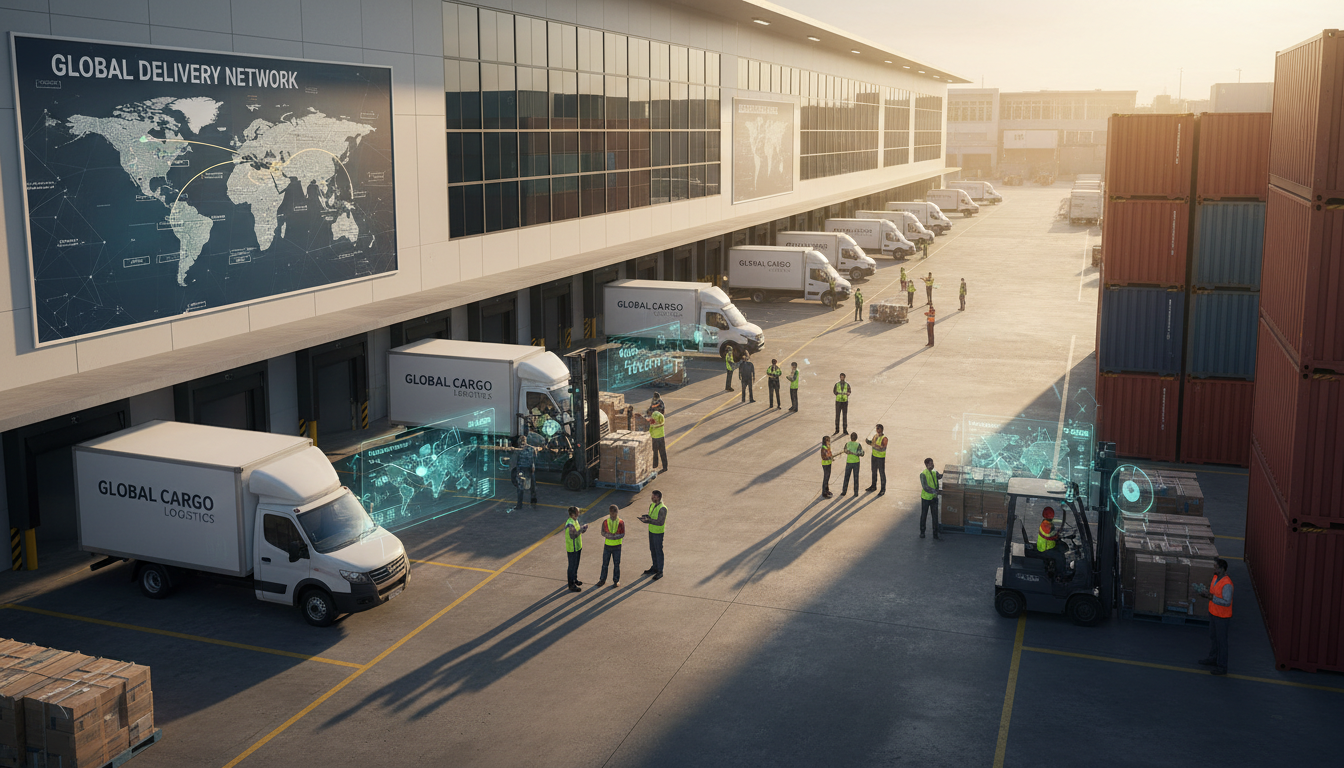
Total network cost can include warehouse rent or ownership expenses, labor, utilities, material-handling equipment, technology, inventory carrying costs, transportation, packaging, insurance, taxes, and third-party logistics fees.
There are also indirect costs that are more difficult to measure. Poor delivery reliability can affect customer satisfaction and retention. Excessive inventory can tie up working capital.
Stockouts can result in lost sales. Inefficient warehouse operations can create overtime and expedited shipping expenses. A strong network design considers these costs together.
Balance Inventory Across the Network
Warehouse network optimization and inventory management are closely connected. Adding more warehouses does not automatically improve inventory performance.
When inventory is distributed across multiple facilities, each location may require safety stock. This can increase the total amount of inventory required to maintain acceptable service levels.
At the same time, keeping inventory in one centralized location may increase transportation distances and delivery times.
Businesses therefore need to determine which products should be stored where and how much inventory each facility should carry. Fast-moving products may need to be positioned closer to customers, while slow-moving or specialized products may be better managed from a centralized facility.
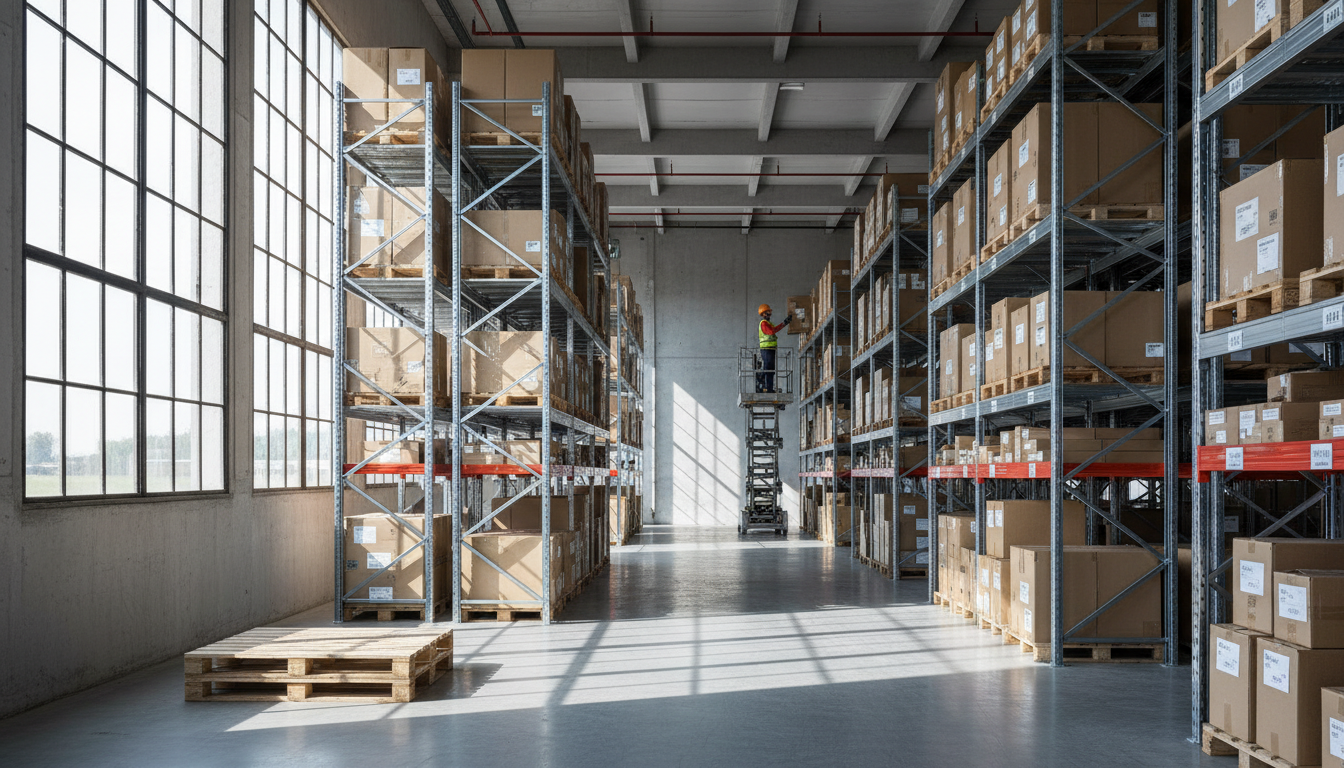
Inventory segmentation can help companies make these decisions. Products can be evaluated based on sales volume, profitability, demand variability, product value, customer importance, and replenishment requirements.
This approach allows businesses to avoid treating every product the same way.
Use Technology to Improve Network Visibility
Technology has become a major part of logistics network optimization in 2026. Businesses increasingly need accurate information about inventory, orders, warehouse capacity, transportation activity, and customer demand.
Warehouse management systems can provide visibility into inventory movement and warehouse activity. Transportation management systems can help companies plan shipments and evaluate transportation options.
Data analytics can help identify patterns that may not be obvious through manual analysis.

Real-time visibility can also help businesses respond more quickly when conditions change. If a shipment is delayed, inventory becomes unavailable, or customer demand suddenly increases in one market; management can make decisions based on current information instead of outdated reports.
The value of technology, however, depends on the quality of the information collected. A sophisticated system cannot compensate for inaccurate inventory records, poor data management, or inconsistent operational processes.
For this reason, technology implementation should be accompanied by strong data governance and disciplined warehouse procedures.
Consider Transportation as Part of the Network
Warehouse design cannot be separated from transportation strategy. The location and number of facilities directly affect how products move throughout the network.
Businesses should evaluate transportation modes, shipment frequency, delivery windows, carrier performance, fuel expenses, route efficiency, and opportunities for consolidation.
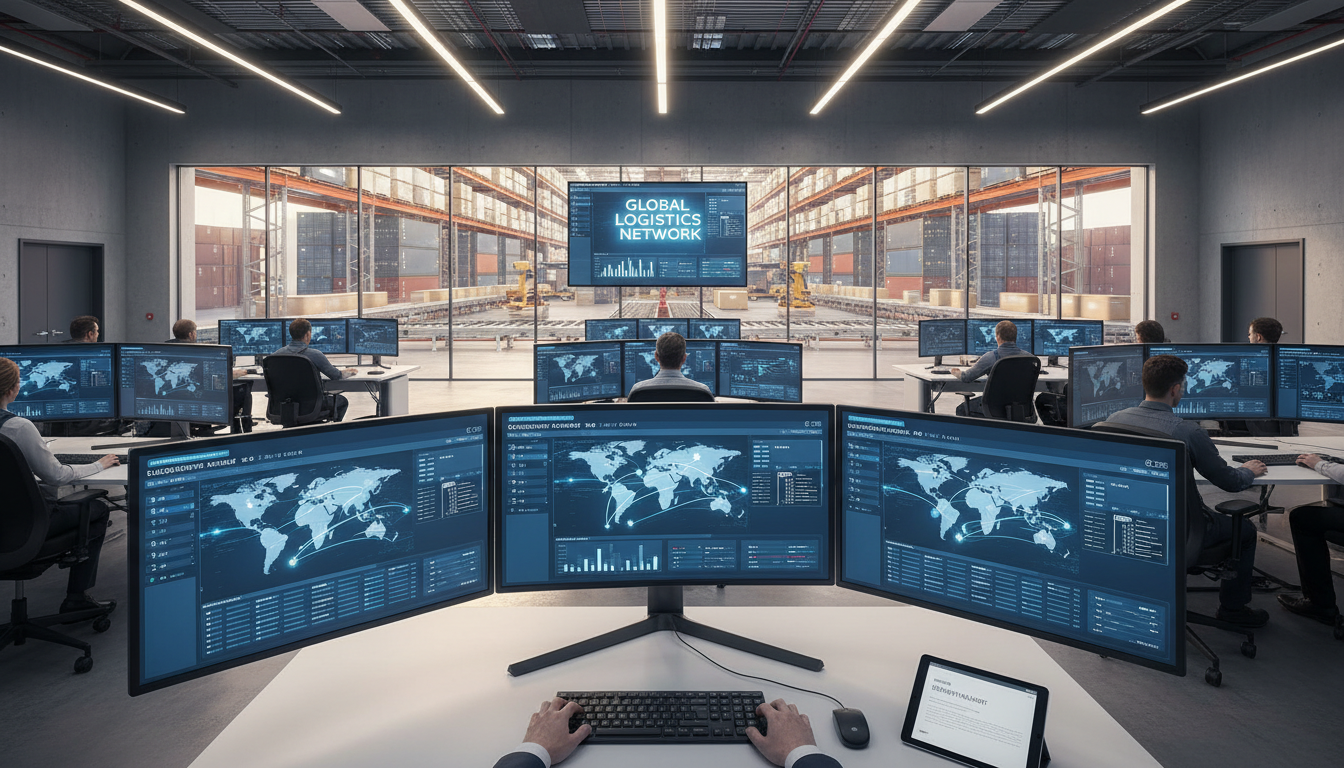
For example, strategically combining shipments can reduce transportation costs when multiple customers or locations are served within the same geographic area. Cross-docking may also help businesses move products through a facility without storing them for extended periods when the product flow and demand profile support it.
Route optimization can further reduce unnecessary miles and improve vehicle utilization. In 2026, transportation planning is increasingly supported by software and data analytics that can evaluate multiple delivery scenarios.
The important point is that transportation decisions should be evaluated together with warehouse decisions. A warehouse that appears inexpensive may generate higher transportation costs, while a more strategically located facility may reduce overall network expenses.
Build Flexibility into the Network
The logistics networks of 2026 need to be flexible enough to handle uncertainty.
Supply chain disruptions, transportation delays, labor shortages, extreme weather, changing customer demand, and unexpected market conditions can affect warehouse operations. A network designed only for the most efficient normal operating conditions may struggle when something goes wrong.
Businesses should therefore consider contingency options when designing their networks.
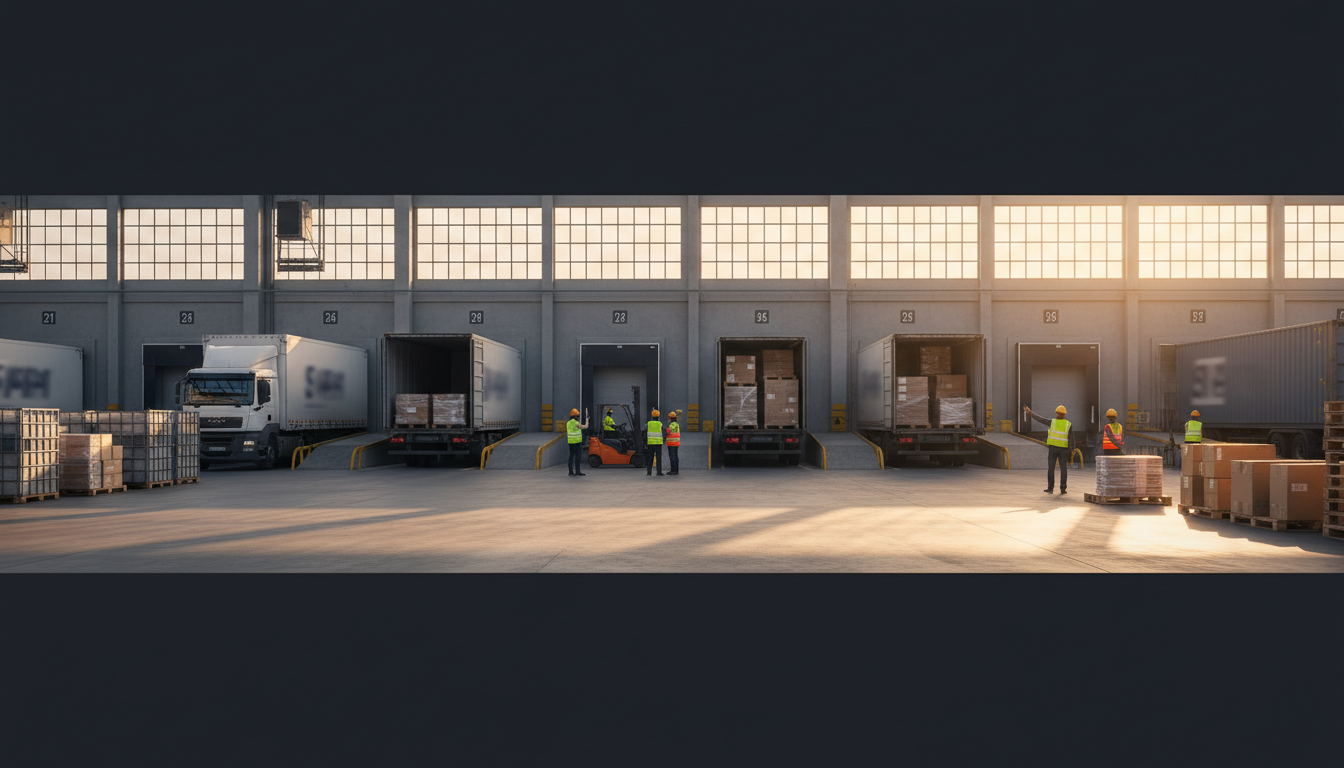
This could involve maintaining relationships with third-party warehouses, identifying alternative transportation providers, establishing backup inventory locations, or creating the ability to shift inventory between facilities.
Flexibility may increase costs slightly under normal conditions, but it can protect the business from much larger costs when disruptions occur.
The objective is not to build an unnecessarily expensive network. It is to identify the level of flexibility that makes sense for the company's products, customers, and risk profile.
The Growing Role of Automation in Warehouse Networks
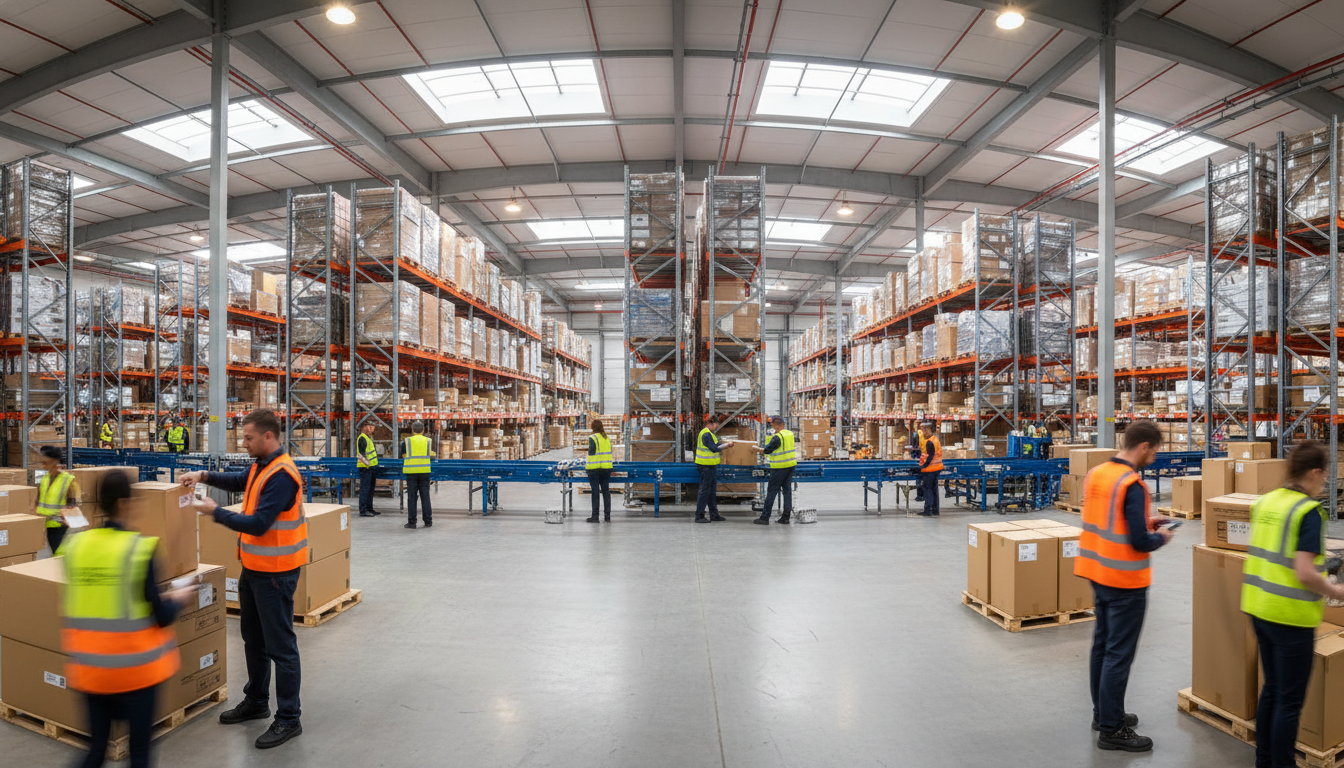
Automation is another factor influencing logistics network design in 2026. Automated storage and retrieval systems, robotics, conveyor systems, scanning technologies, and other warehouse technologies can change the amount of space and labor required to process products.
This means companies should consider warehouse technology when evaluating facility capacity.
A traditional warehouse may require more physical space and labor than a highly automated operation. On the other hand, automation requires capital investment and may not be appropriate for every product or operating environment.
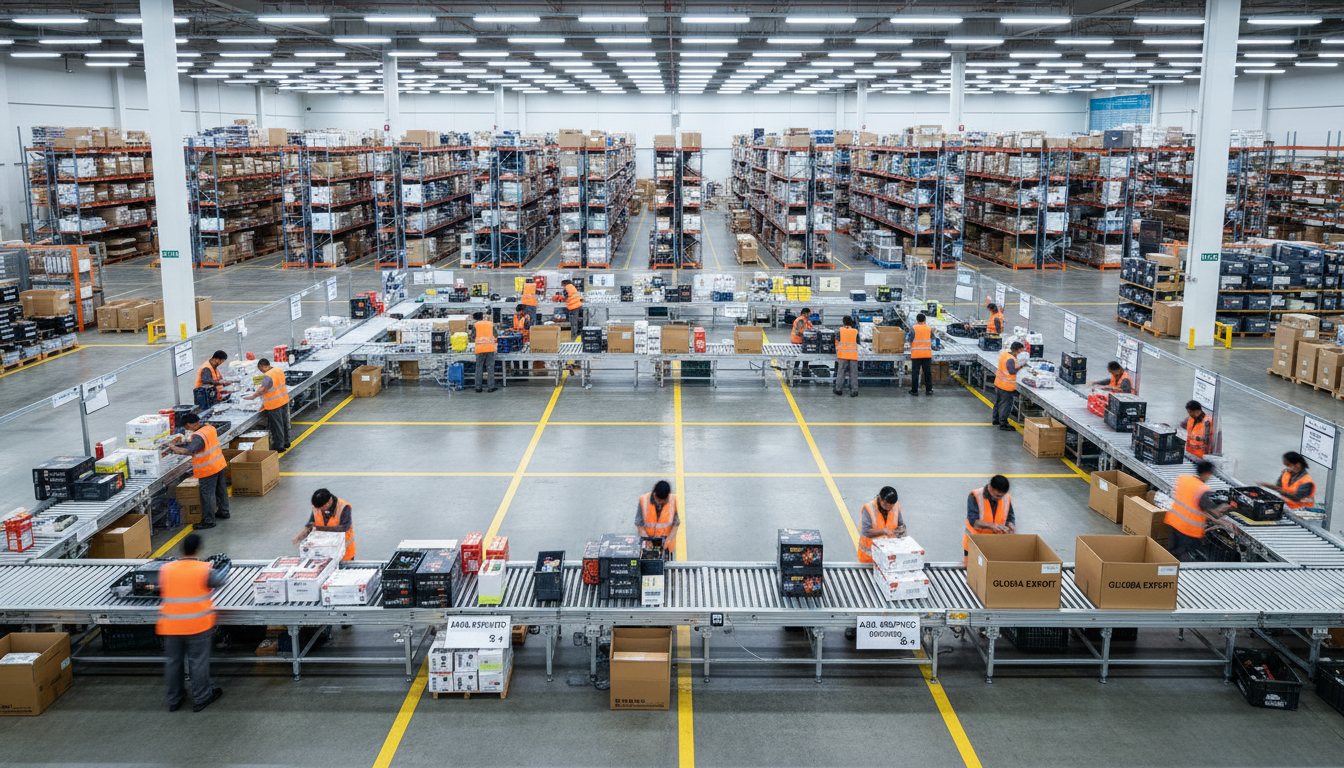
Warehouse automation should therefore be evaluated based on volume, product characteristics, order profiles, labor availability, expected growth, and return on investment.
For warehouse service providers, this creates an opportunity to offer more flexible technology-enabled solutions to businesses that do not want to build and operate their own highly automated facilities.
Use Scenario Planning Before Making Major Changes
Logistics network changes can involve substantial investments, making scenario planning especially important.
Before opening a new warehouse, closing an existing facility, changing inventory locations, or entering a new market, businesses should evaluate different scenarios.
One scenario may assume continued growth in existing markets. Another may consider rapid expansion into new regions. A third may evaluate what happens if transportation costs rise or customer demand changes.
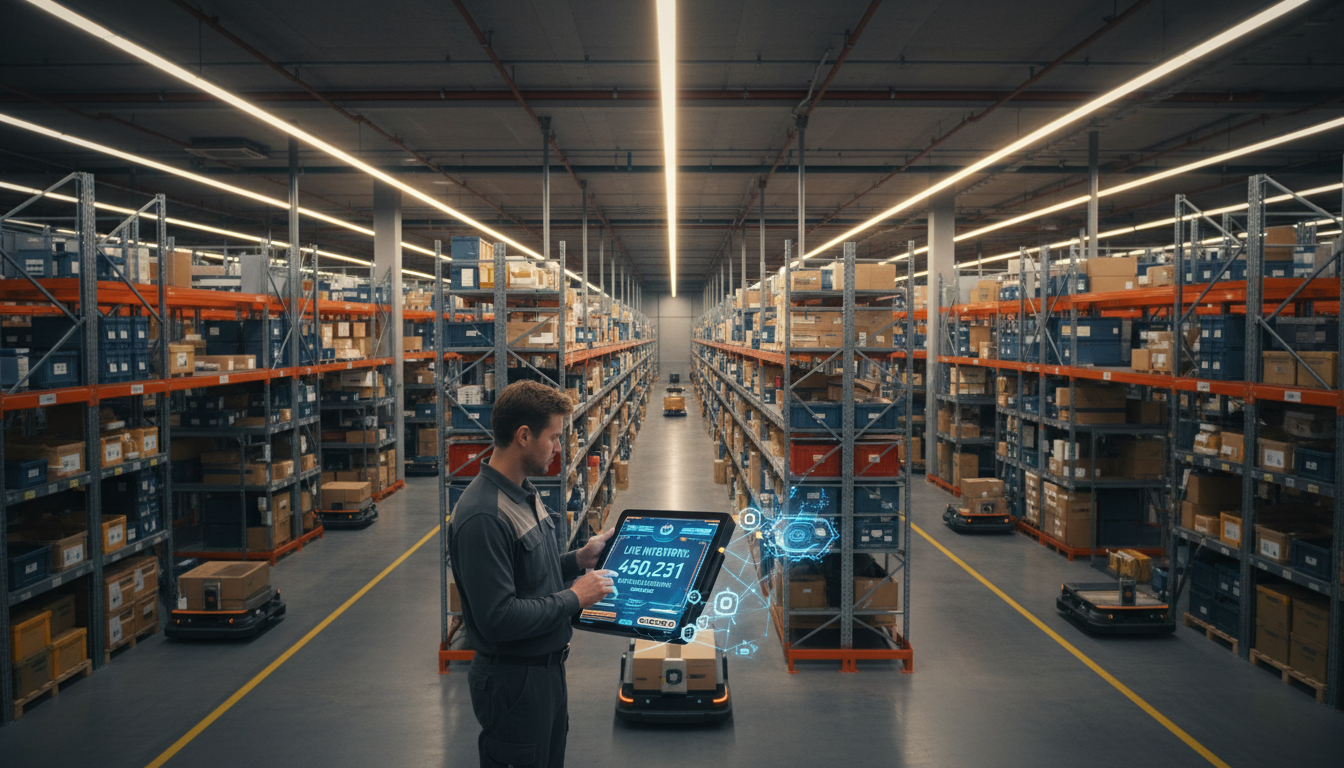
Scenario analysis allows management to understand how the network performs under different conditions.
The best network is often not the one that produces the lowest cost under a single set of assumptions. It may be the network that performs consistently well across a range of realistic scenarios.
The Impact on Warehousing Businesses in 2026
The growing focus on logistics network design is likely to have a significant impact on warehousing businesses throughout 2026.
Companies are becoming more selective about warehouse locations and capacity. Instead of simply searching for the largest available facility, businesses are evaluating how individual warehouses fit into their overall distribution strategy.
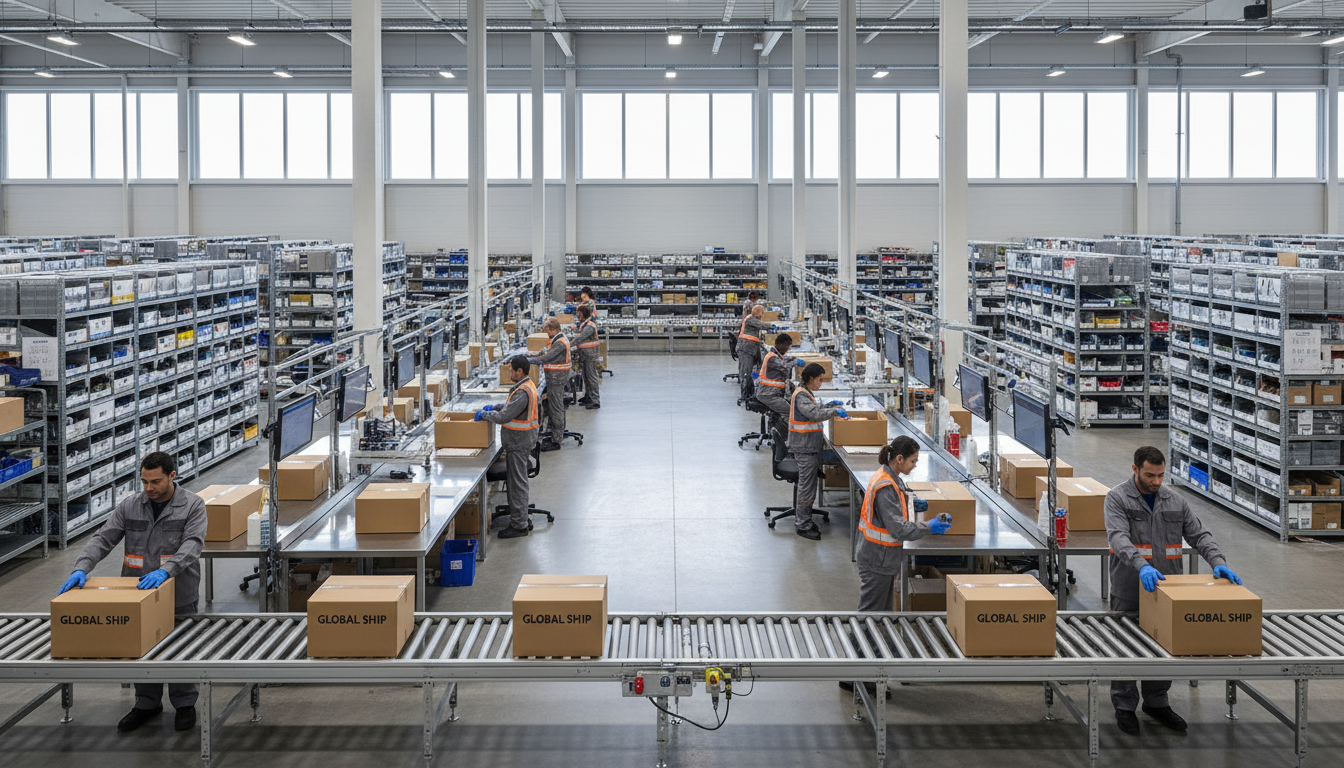
This could increase demand for strategically located warehouses near major customer markets and transportation corridors. It may also increase demand for flexible warehouse space that can expand or contract as business requirements change.
Third-party warehousing providers may benefit because businesses can use outsourced facilities to test new markets or expand capacity without making large long-term investments in real estate and infrastructure.
At the same time, competition among warehouse providers may increase. Location alone may no longer be enough to attract customers. Businesses may expect warehouse providers to offer inventory visibility, technology integration, efficient order fulfillment, scalable capacity, transportation coordination, and strong performance reporting.
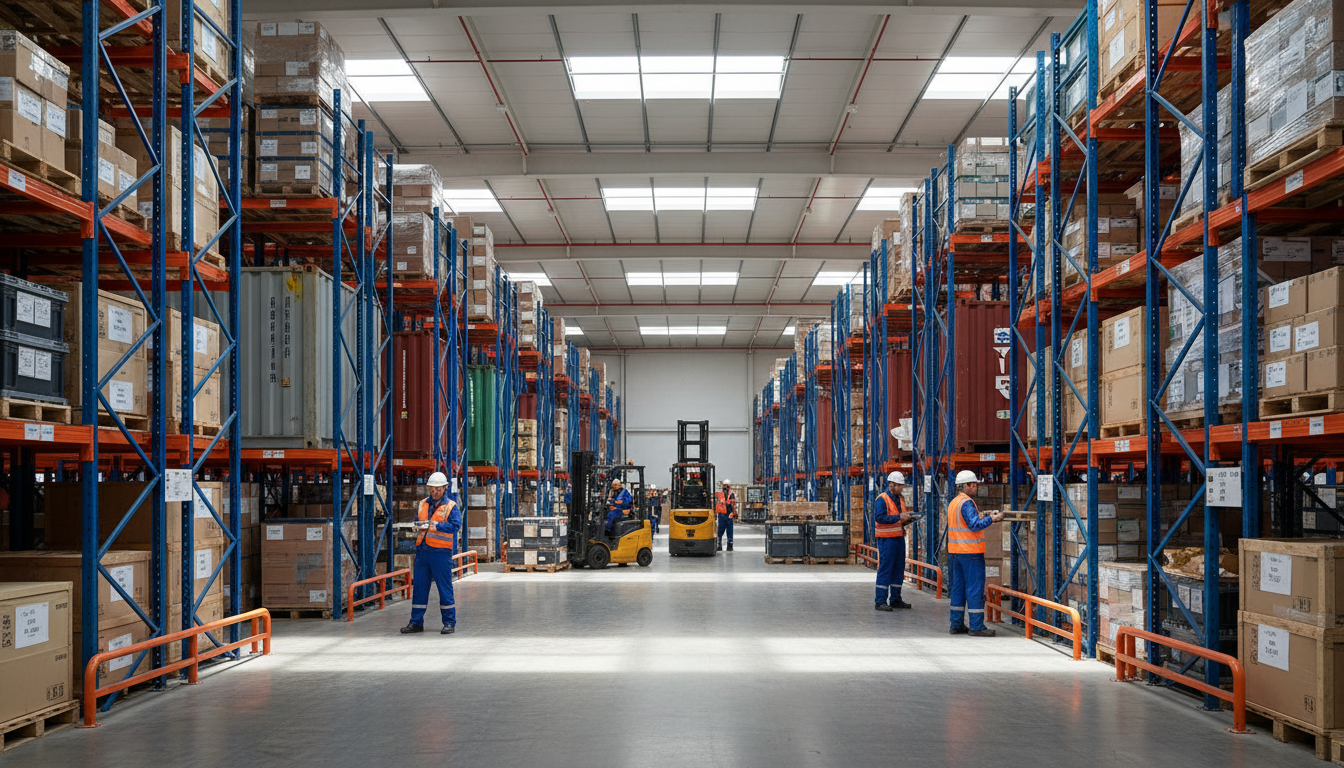
Warehouse operators that invest in these capabilities may have a stronger position in the market.
Sustainability Is Becoming Part of Network Design
Environmental considerations are also becoming more relevant to logistics network planning.
Reducing transportation distances can lower fuel consumption and emissions while potentially reducing transportation costs. Better inventory planning can also reduce waste associated with damaged, obsolete, or excess products.
Warehouse design can incorporate energy-efficient lighting, equipment, building systems, and operational practices. Businesses may also consider how transportation modes and facility locations affect their broader sustainability objectives.
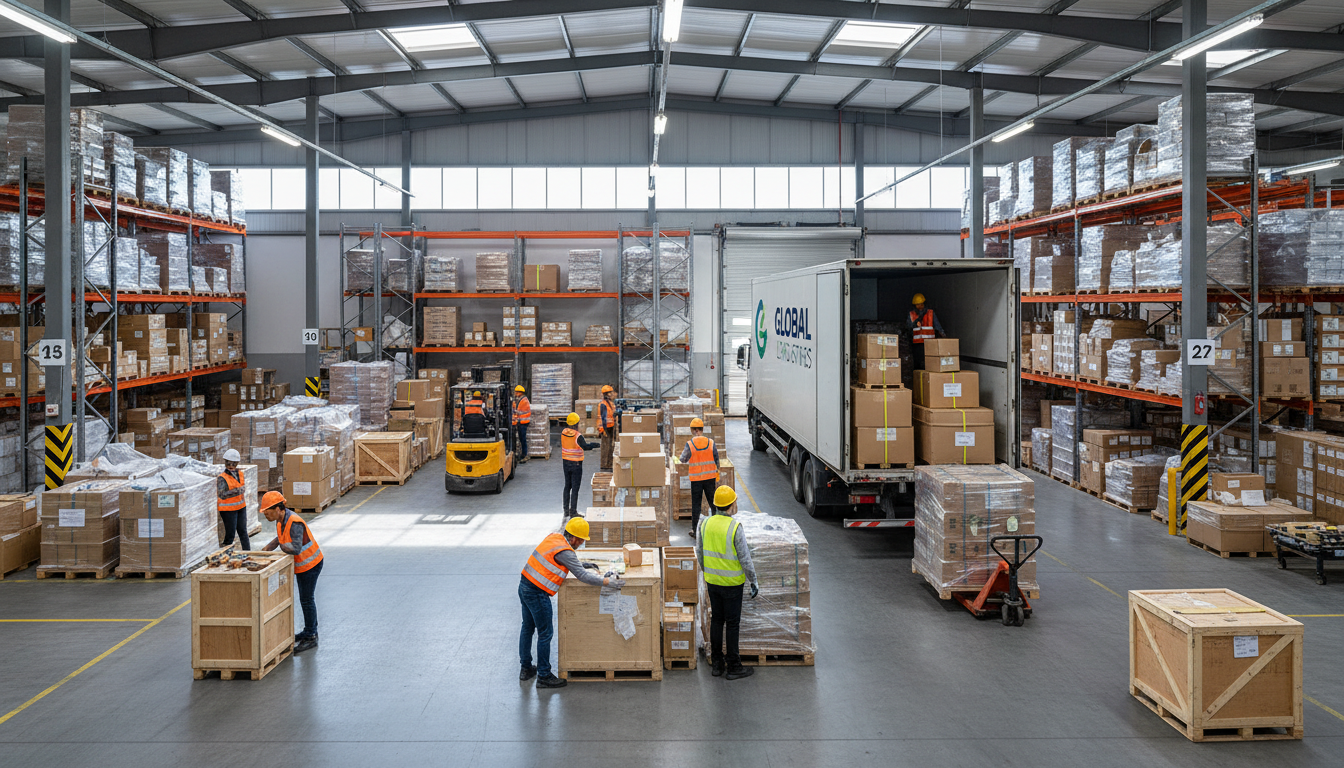
For many companies, sustainability is increasingly connected to financial performance. A more efficient network can reduce unnecessary miles, improve asset utilization, lower energy consumption, and reduce waste.
This means sustainability does not necessarily have to be treated as a separate initiative. It can be incorporated into the financial and operational analysis of network design.
Measure Performance After Implementation
Network optimization should not end once a warehouse is opened, or a distribution strategy is implemented.
Businesses should continuously monitor performance to determine whether the network is delivering the expected results.
Important measurements can include transportation cost per shipment, warehouse cost per unit, inventory turnover, order cycle time, on-time delivery, warehouse utilization, order accuracy, stockout frequency, and customer service performance.
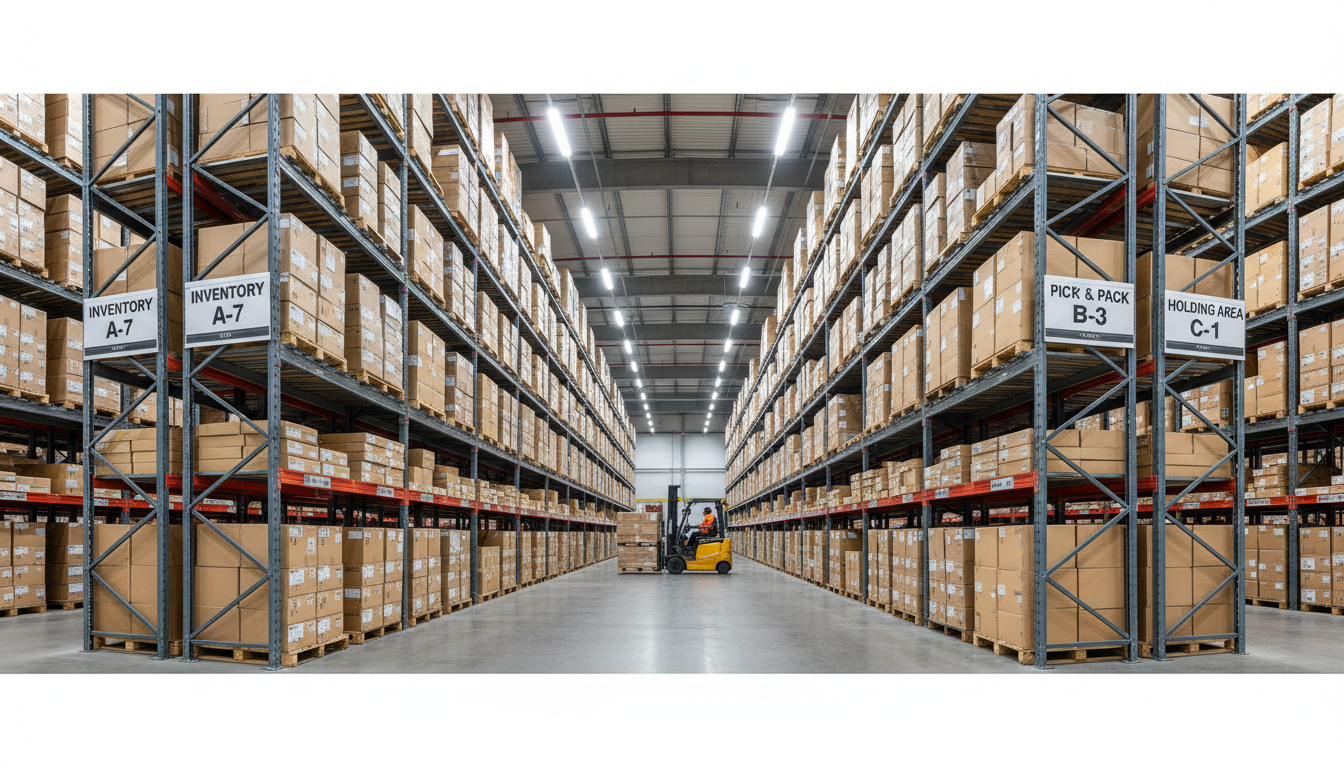
Financial measurements are important. Management should compare actual network costs with the assumptions used during the original design process.
Market conditions change, and a network that was optimized several years ago may no longer be the best configuration today. Continuous measurement allows companies to identify when adjustments are needed.
Why Logistics Network Optimization Will Matter Even More Going Forward
The warehousing industry is moving toward a model where physical infrastructure and digital intelligence work together.
A warehouse is no longer simply a building where products are stored. It is part of a larger network that connects suppliers, transportation providers, distribution centers, retailers, businesses, and customers.
In 2026, companies that understand this connection will be better positioned to make informed decisions about warehouse capacity and distribution strategy.
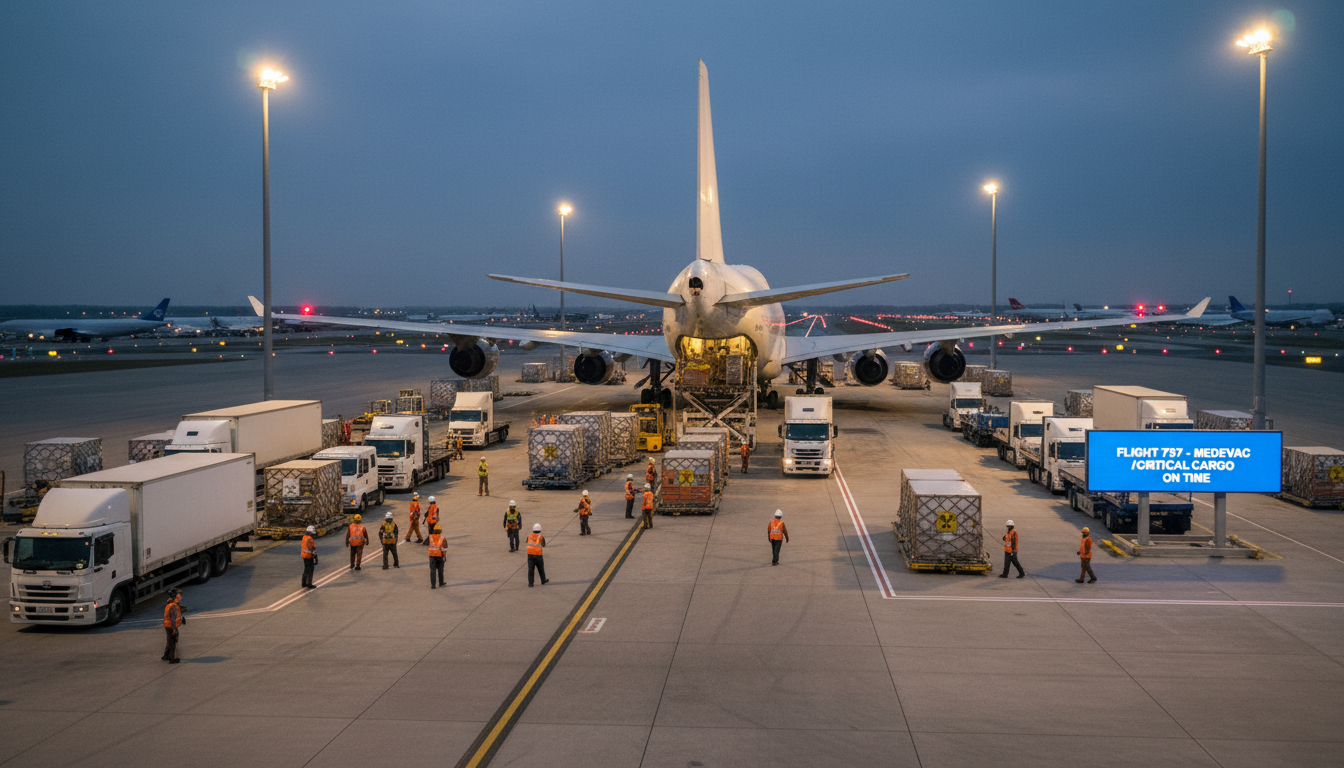
Network optimization can also help businesses avoid a common problem: expanding physical infrastructure faster than demand justifies. Instead of immediately adding facilities, companies can evaluate whether better inventory positioning, transportation planning, warehouse processes, technology, or third-party logistics partnerships can solve the underlying problem.
This creates a more disciplined approach to growth.
Conclusion
Effective logistics network design is about creating a warehousing and distribution system that supports the entire business, not simply finding warehouse space. In 2026, businesses need networks that are cost-efficient, flexible, technology-enabled, and capable of responding to changing customer expectations.
For warehousing companies, this shift creates both challenges and opportunities. Businesses are looking for warehouse partners that can provide more than storage. They need reliable operations, efficient inventory management, technology-driven visibility, flexible capacity, and solutions that fit into a broader logistics strategy.
AWT Warehouse Services can help businesses approach warehousing as an important part of their overall logistics network. With the right combination of warehouse management, technology, logistics coordination, and operational expertise, businesses can build a distribution network that supports growth while keeping efficiency and costs under control. In a competitive 2026 market, smarter network design can become a genuine advantage, not just an operational improvement.