
How Warehouse Management Supports Reverse Logistics and Returns Processing
AB
In today’s supply chain environment, reverse logistics has evolved from a minor operational concern into a central pillar of warehouse management strategy. As e-commerce continues to expand and consumer expectations rise, the ability to efficiently manage returns is no longer optional; it is a competitive necessity.
For warehousing businesses, reverse logistics represents both a challenge and an opportunity: a challenge due to its complexity, and an opportunity because of its potential to drive efficiency, customer satisfaction, and new revenue streams.
This article explores how warehouse management supports reverse logistics and returns processing and examines the expected impact on the warehousing industry in 2016.
Understanding Reverse Logistics in Modern Warehousing

Reverse logistics refers to the process of moving goods from the customer back to the warehouse or manufacturer for return, repair, refurbishment, recycling, or disposal.
Unlike traditional forward logistics, which focuses on efficient product distribution, reverse logistics is inherently more complex due to unpredictability in timing, product condition, and disposition.
In practical terms, reverse logistics includes:
- Customer returns (defective, unwanted, or incorrect items)
- Product recalls
- Warranty returns and repairs
- Recycling and disposal
- Refurbishment and resale
Warehouse management plays a crucial role in handling these activities efficiently, ensuring that returned goods are processed quickly and accurately while minimizing costs.
The Role of Warehouse Management in Returns Processing

A well-structured warehouse management system (WMS) is the backbone of effective reverse logistics. It ensures visibility, control, and efficiency across every stage of the returns lifecycle.
1. Centralized Returns Processing
Warehouse management enables centralized returns handling, where all returned goods are directed to a specific facility or zone within a warehouse. This centralization:
- Improves process consistency
- Reduces handling errors
- Speeds up inspection and sorting
By having a dedicated returns area, warehouses can streamline workflows and reduce congestion in forward logistics operations.
2. Efficient Receiving and Inspection
Returns processing begins with receiving and inspection. Warehouse management systems help:
- Track returned items using barcodes or RFID
- Log return reasons and conditions
- Assign inspection tasks automatically
This structured approach ensures that every returned item is accounted for and evaluated correctly. Speed is critical here delays in inspection can lead to lost resale value, especially for seasonal or high-demand items.
3. Intelligent Sorting and Disposition
Once inspected, returned goods must be sorted based on their condition and next steps. Warehouse management systems support decision-making by categorizing items into:
- Restockable inventory
- Repair or refurbishment
- Recycling or disposal
- Return to vendor
Automation and rule-based workflows allow warehouses to quickly determine the most cost-effective path for each item, minimizing manual decision-making and errors.
4. Inventory Reintegration
One of the most important functions of warehouse management is reintegrating returned items into inventory. This process includes:
- Updating inventory records in real time
- Assigning storage locations
- Ensuring quality standards are met before restocking
Efficient reintegration reduces inventory shrinkage and ensures that sellable items are quickly made available for resale.
5. Data Tracking and Analytics
Warehouse management systems provide detailed data on returns, including:
- Return rates by product
- Reasons for returns
- Processing times
- Recovery value
This data is invaluable for identifying trends, improving product quality, and optimizing supply chain decisions. For example, high return rates for a specific product may indicate a manufacturing defect or misleading product description.
Key Benefits of Warehouse-Driven Reverse Logistics

Effective warehouse management transforms reverse logistics from a cost center into a value-generating function.
1. Cost Reduction
By streamlining returns processing and minimizing manual handling, warehouses can significantly reduce operational costs. Efficient sorting and disposition also ensure that valuable items are recovered rather than written off.
2. Improved Customer Satisfaction
Fast and accurate returns processing enhances the customer experience. Customers expect:
- Quick refunds or replacements
- Transparent tracking of return status
- Hassle-free return procedures
Warehouse management systems enable businesses to meet these expectations consistently.
3. Enhanced Inventory Accuracy
Returns can disrupt inventory accuracy if not managed properly. Warehouse management ensures that all returned items are tracked and recorded, preventing discrepancies and stockouts.
4. Sustainability and Compliance
Reverse logistics supports sustainability initiatives by enabling recycling, refurbishment, and waste reduction. Warehouse management systems help track compliance with environmental regulations and corporate sustainability goals.
5. Revenue Recovery
Returned products are not necessarily lost in revenue. With proper warehouse management, businesses can:
- Resell items as new or refurbished
- Recover parts for reuse
- Liquidate excess inventory
This recovery process can significantly offset the costs of returns.
Challenges in Reverse Logistics and How Warehouse Management Addresses Them
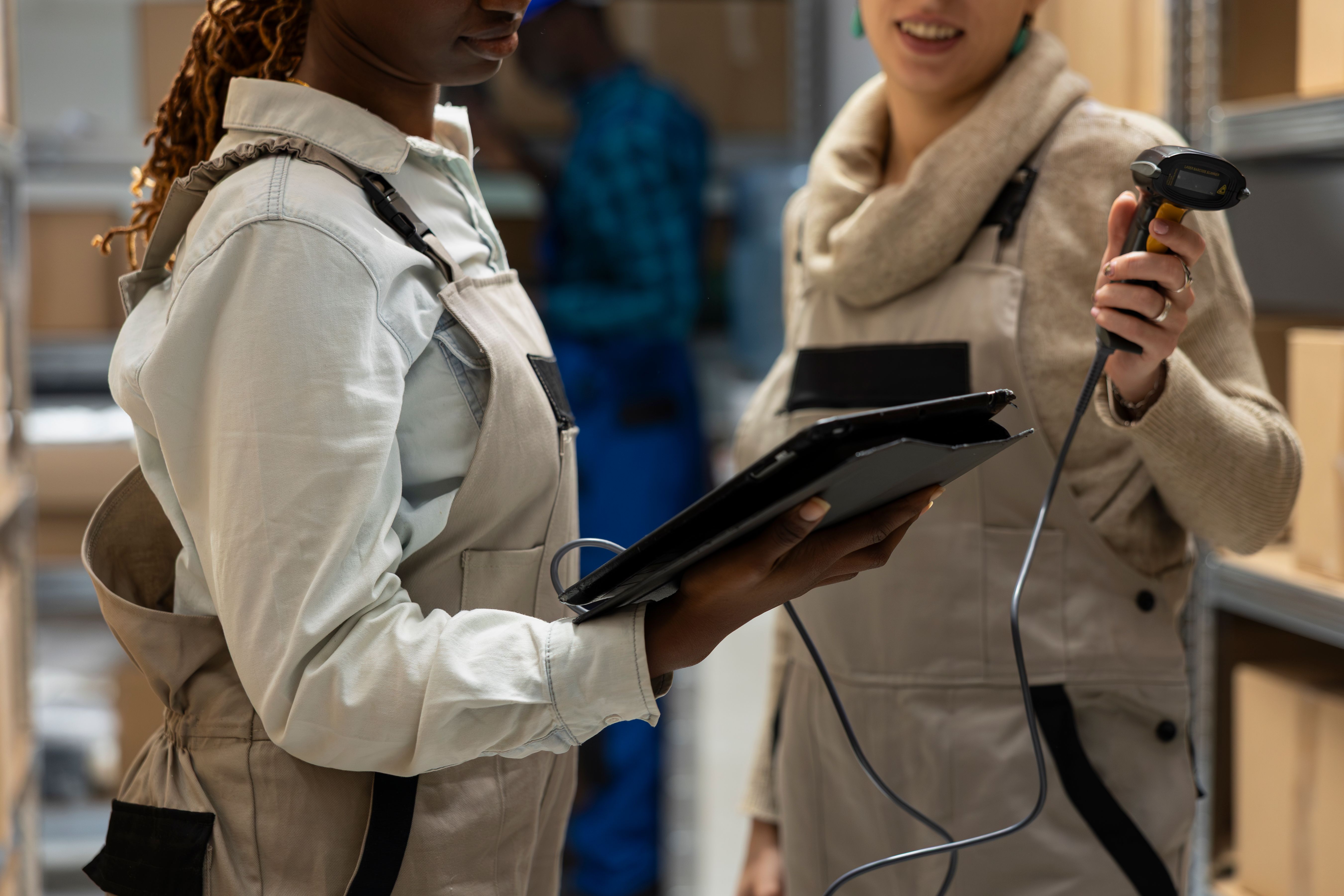
Despite its benefits, reverse logistics presents several challenges.
1. Unpredictable Volume
Returns can fluctuate based on seasonality, promotions, and product categories. Warehouse management systems use forecasting tools and historical data to anticipate return volumes and allocate resources accordingly.
2. Complex Handling Requirements
Each returned item may require a different handling process. Warehouse management systems standardize workflows and automate decision-making, reducing complexity and errors.
3. Space Constraints
Returns require dedicated storage and processing space. Warehouse management systems optimize space utilization by dynamically assigning storage locations and prioritizing high-value items.
4. Labor Intensity
Manual returns processing is labor-intensive. Automation technologies, integrated with warehouse management systems, reduce reliance on manual labor, and improve productivity.
The Growing Importance of Reverse Logistics in E-Commerce
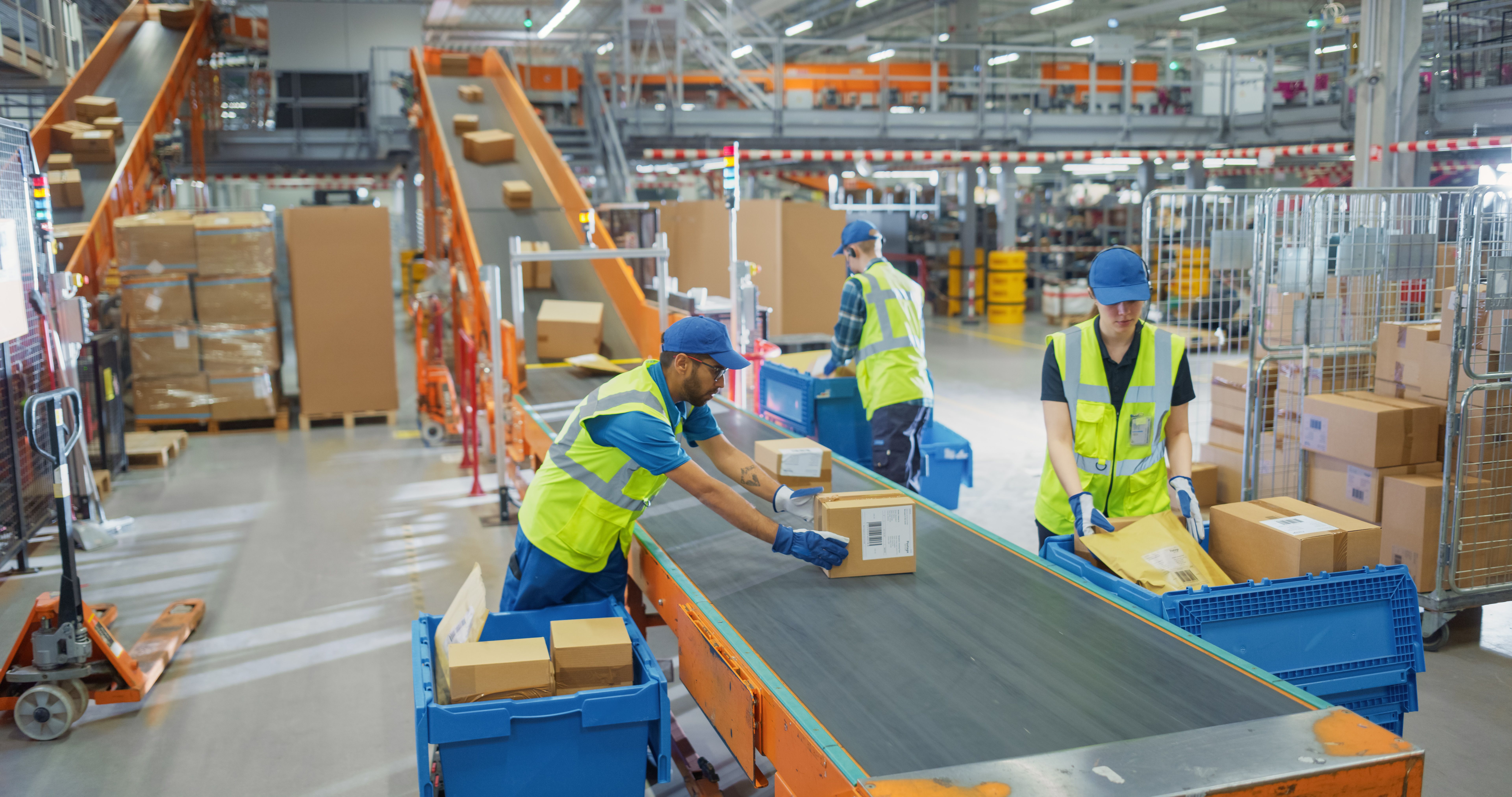
E-commerce has fundamentally changed the nature of returns. Online shoppers are more likely to return products due to:
-Inability to physically inspect items before purchase
- Flexible return policies
- Increased product variety
As a result:
- Return rates in e-commerce can exceed 20–30%
- Warehouses must process returns at a much higher volume
- Speed and accuracy are critical to maintaining customer loyalty
Warehouse management systems are essential for handling this scale and complexity.
Technological Innovations Supporting Reverse Logistics
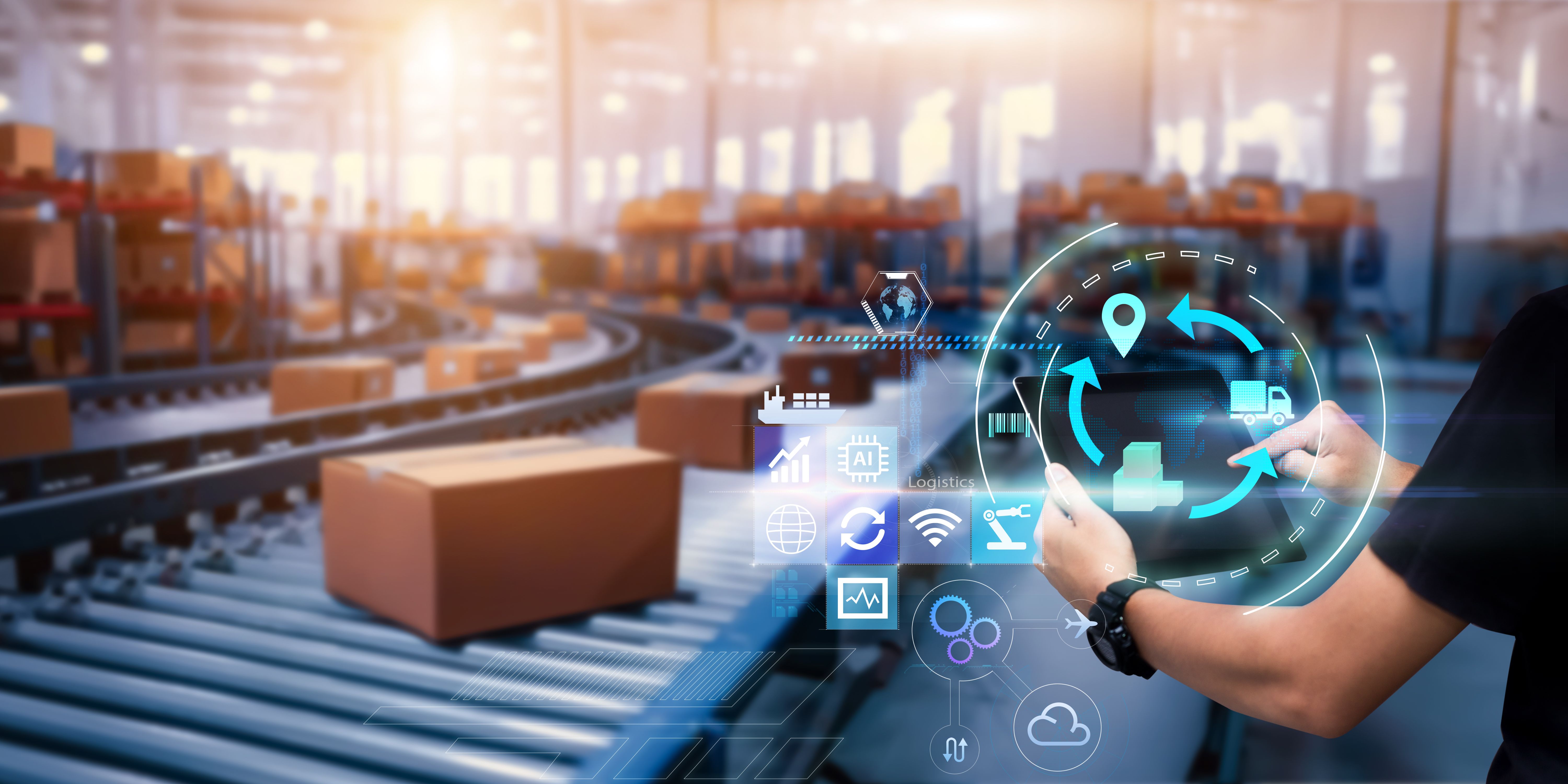
The future of reverse logistics is closely tied to technological advancements.
1. Automation and Robotics
Automated systems can:
- Sort returned items
- Transport goods within the warehouse
- Assist in inspection and packaging
This reduces processing time and labor costs.
2. Artificial Intelligence (AI)
AI-driven warehouse management systems can:
- Predict return volumes
- Optimize disposition decisions
- Identify patterns in return data
These insights help businesses improve efficiency and reduce returns.
3. Internet of Things (IoT)
IoT devices enable real-time tracking of returned items, providing visibility throughout the returns process. This improves accountability and reduces losses.
4. Blockchain Technology
Blockchain can enhance transparency and traceability in reverse logistics, particularly for high-value or regulated products.
The Impact of Reverse Logistics on Warehousing Businesses in 2026
Looking ahead to 2026, reverse logistics is expected to reshape the warehousing industry in several significant ways.
1. Reverse Logistics as a Core Service Offering
Warehousing businesses will increasingly offer reverse logistics as a standalone service. Clients will seek partners who can handle:
- Returns processing
- Refurbishment
- Recycling
This shift will create new revenue streams for warehouse operators.
2. Increased Demand for Specialized Facilities
Warehouses will need to design dedicated spaces for returns processing, including:
- Inspection zones
- Repair areas
- Recycling facilities
This specialization will drive investment in infrastructure and technology.
3. Greater Integration with E-Commerce Platforms
Warehouse management systems will integrate more closely with e-commerce platforms, enabling:
- Real-time return tracking
- Automated refund processing
- Seamless customer communication
This integration will enhance efficiency and customer satisfaction.
4. Focus on Sustainability
Sustainability will become a key driver of reverse logistics. Warehousing businesses will:
- Implement recycling programs
- Reduce waste
- Optimize transportation to lower carbon emissions
Customers and regulators alike will demand environmentally responsible practices.
5. Workforce Transformation
Automation will reduce the need for manual labor while increasing demand for skilled workers who can manage technology and data analytics.
6. Data-Driven Decision Making
Data will play a central role in reverse logistics. Warehousing businesses will use analytics to:
- Optimize processes
- Improve forecasting
- Enhance operational efficiency
7. Competitive Differentiation
Warehousing companies that excel in reverse logistics will gain a competitive advantage. Clients will prioritize partners who can:
- Reduce return costs
- Improve turnaround times
- Maximize recovery value
Best Practices for Warehouse Management in Reverse Logistics
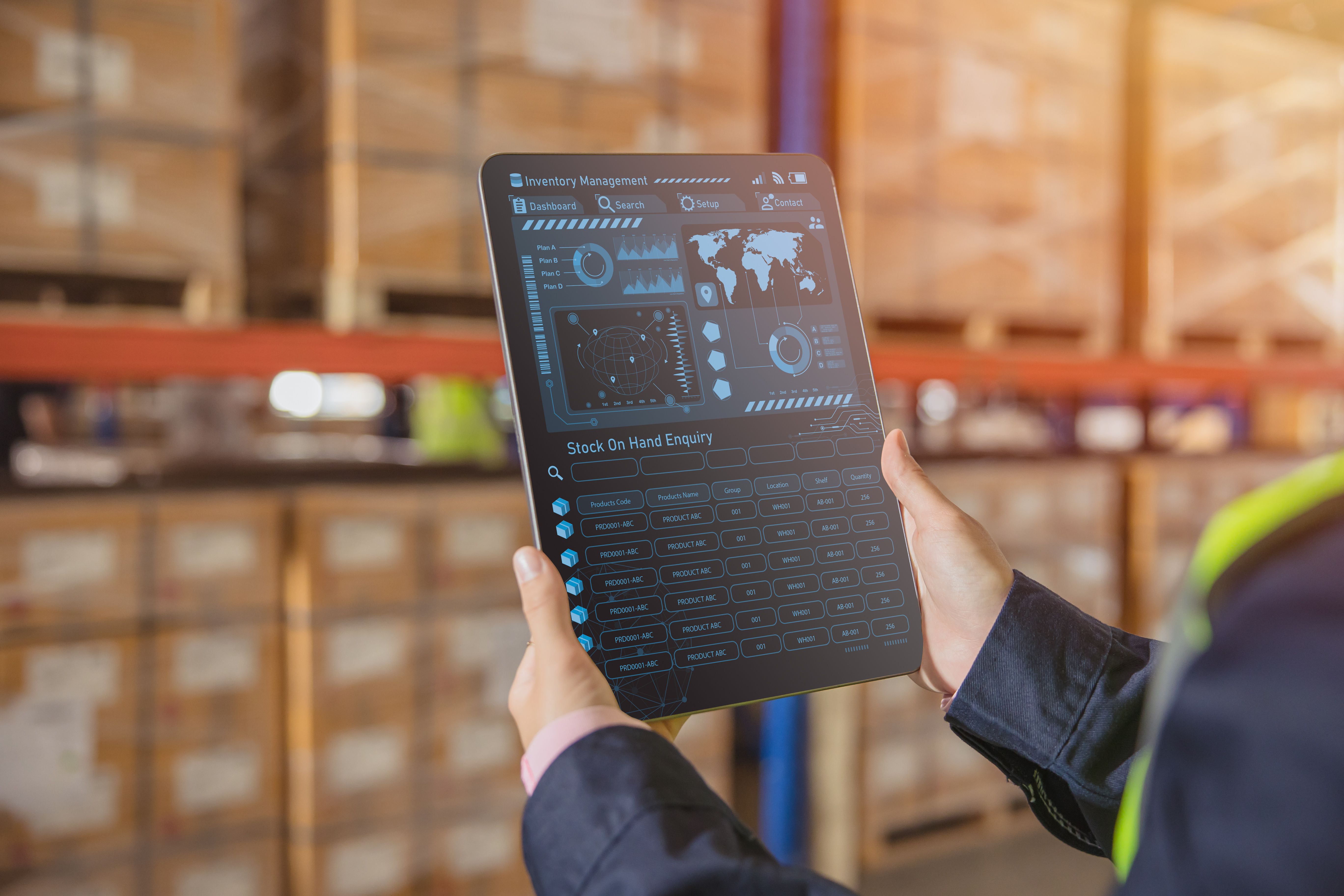
To stay competitive, warehousing businesses should adopt the following best practices:
1. Implement Advanced Warehouse Management Systems
Invest in technology that supports end-to-end visibility and automation.
2. Design Efficient Layouts
Create dedicated areas for returns processing to streamline workflows.
3. Standardize Processes
Develop clear procedures for receiving inspection, sorting, and disposition.
4. Train Staff
Ensure employees are equipped to handle the complexities of reverse logistics.
5. Leverage Data
Use analytics to identify trends and improve decision-making.
6. Collaborate with Partners
Work closely with retailers, manufacturers, and logistics providers to optimize returns processes.
7. Focus on Customer Experience
Ensure fast and transparent returns processing to enhance customer satisfaction.
Conclusion
Reverse logistics is no longer a secondary function; it is a strategic priority that directly impacts profitability, customer satisfaction, and sustainability. Warehouse management systems play a critical role in enabling efficient returns processing, transforming a traditionally costly operation into a value-generating opportunity.
As we move into 2026, warehousing businesses that embrace innovation, invest in technology, and prioritize reverse logistics capabilities will be well-positioned to thrive in an increasingly competitive landscape.
For companies seeking to stay ahead, partnering with a forward-thinking provider like AWT Warehouse Services can make all the difference. With expertise in advanced warehouse management and reverse logistics solutions, AWT Warehouse Services helps businesses streamline returns, recover value, and deliver exceptional service in a rapidly evolving supply chain environment.